International Competitions
Discover the projects accomplished by Team SHUNYA over the years.
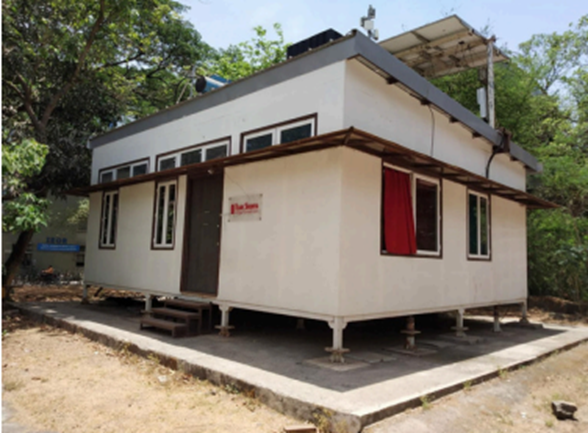
Project H-Naught
2014Honourable Mention in Sustainability in Solar Decathlon Europe
- Prefabricated modular house designed for easy transport and quick assembly
- Net-zero energy system powered by rooftop solar, solar water heating, and solar cooking
- DC electrical distribution reducing energy losses and improving efficiency
- Passive design using natural ventilation, daylight optimization, and insulation
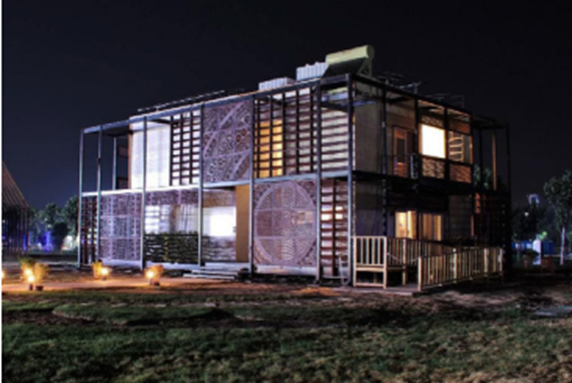
Project Solarise
2018Best Participation Award at Solar Decathlon China 2018
- Two-story net-positive energy house with integrated solar PV and smart energy management
- Electric vehicle charging station supporting sustainable mobility
- Thermal energy recovery system utilizing exhaust air for efficient reuse
- Integrated design combining renewable energy, efficiency, and smart systems
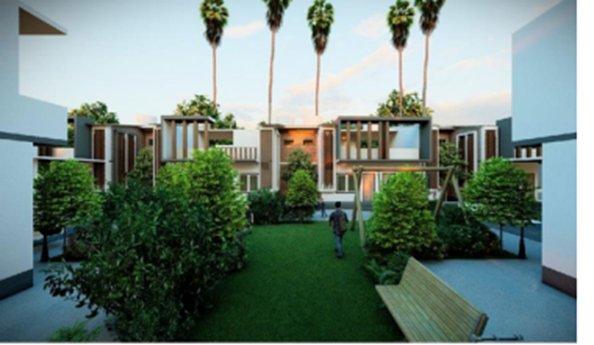
Project Daksh
2021First Runner-Up (Attached Housing Division) at US Solar Decathlon 2021
- Sustainable cluster of attached housing designed for planned urban communities
- Centralized solar PV system replacing individual rooftop installations
- Shared HVAC system with heat recovery and thermal energy storage
- Community-scale design improving efficiency and reducing overall costs
Project Vivaan
2023Overall Second Position at US Solar Decathlon Build Challenge 2023
- G+1 net-positive energy home targeting net-zero carbon and water use
- Use of agricultural waste-based materials to reduce embodied carbon
- In-house humidity control system for improved indoor comfort
- Passive cooling strategies minimizing operational energy demand
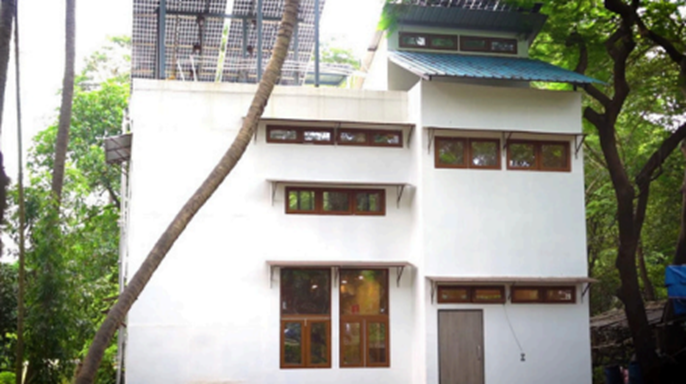
Project Seva
20241st Position at US Solar Decathlon Design Challenge 2024
- Net-zero retrofit of a Community Healthcare Centre in Palghar, Maharashtra
- Passive design strategies improving comfort, efficiency, and usability
- Integration of renewable energy for sustainable building operation
- Improved accessibility and circulation for patients and staff
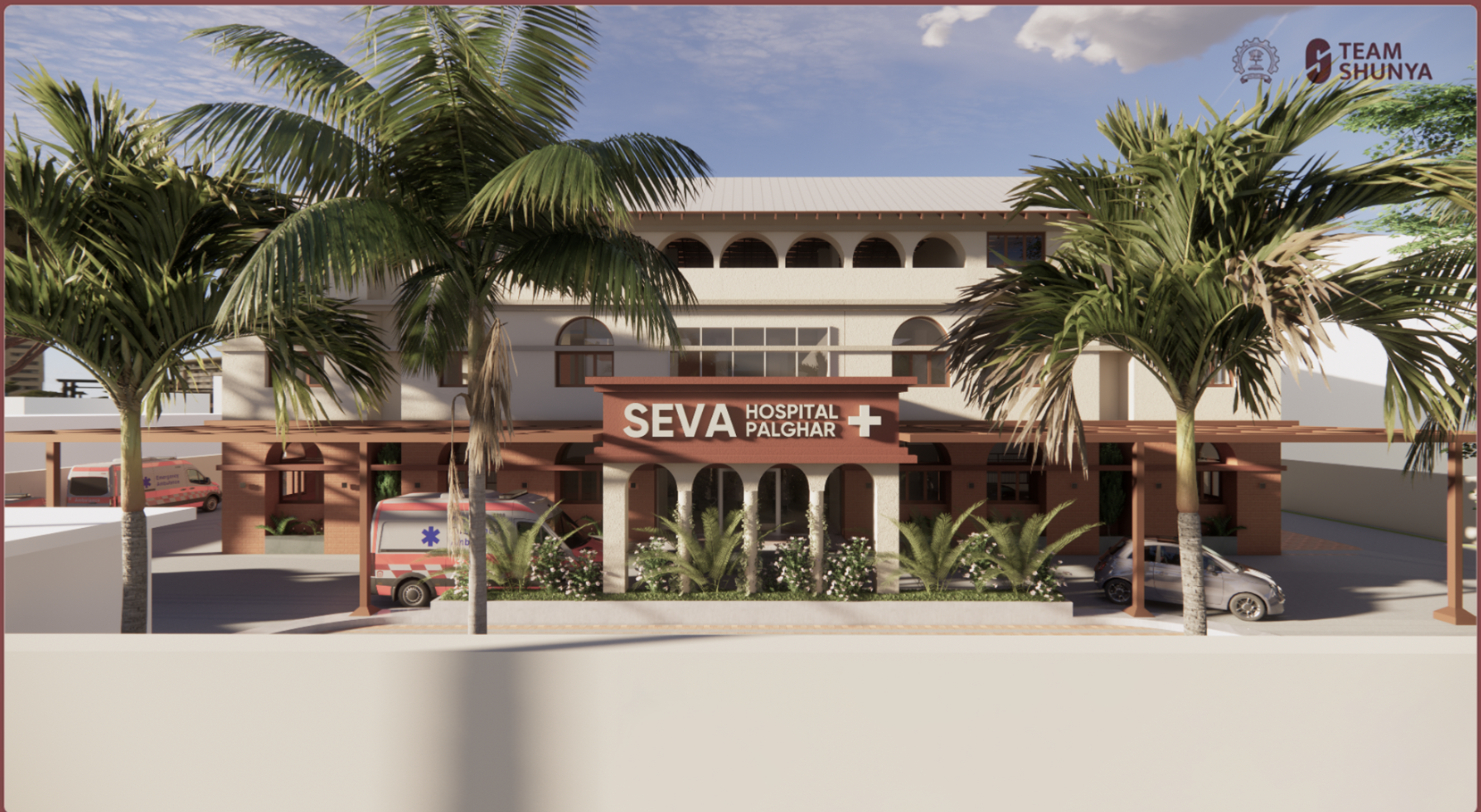
Project Samsara
2024US Solar Decathlon Design Challenge
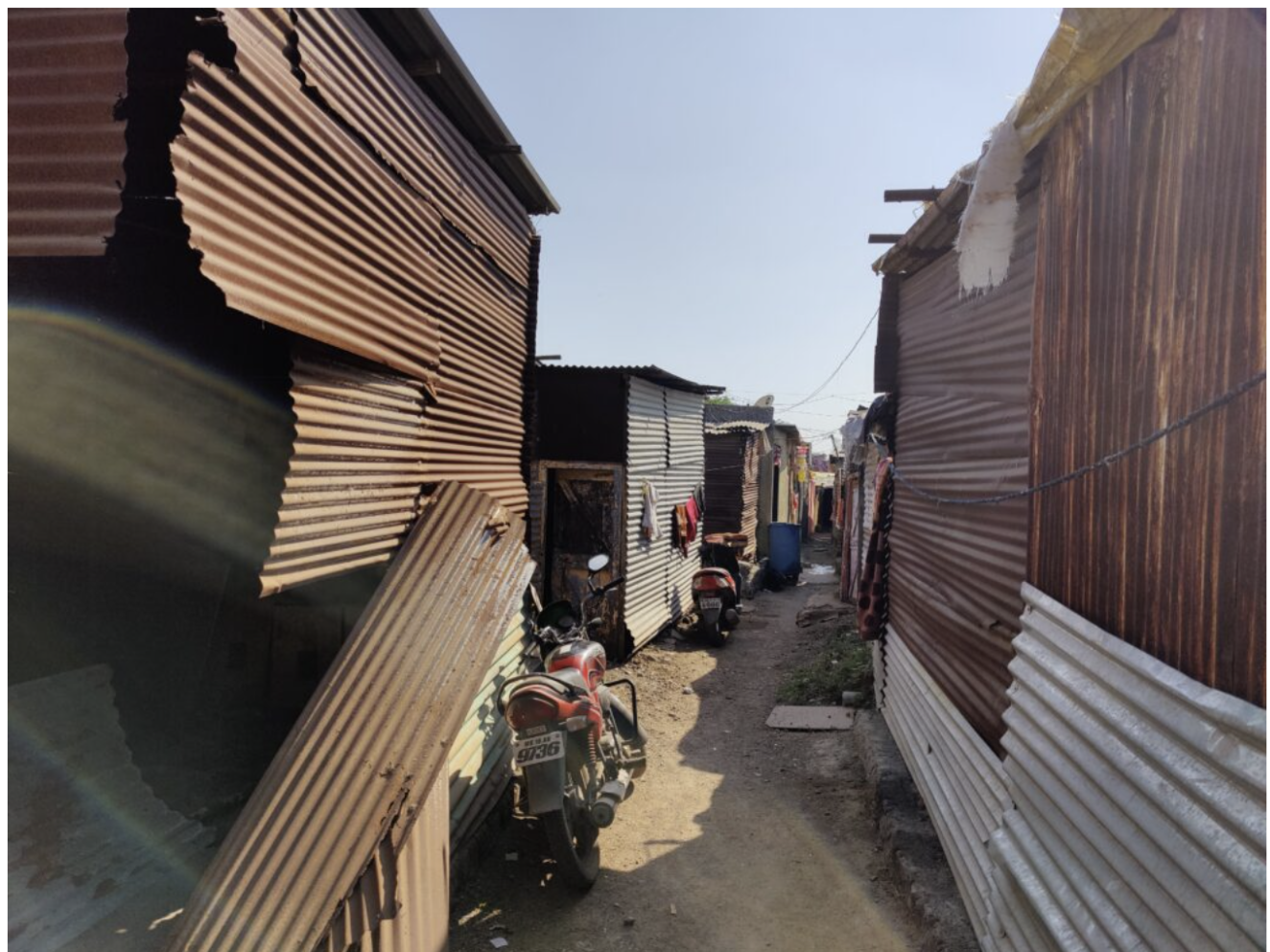
- Explored retrofit strategies for existing slum rehabilitation housing
- Addressed poor ventilation, limited daylight, and inefficient thermal performance
- Improved ventilation pathways and optimized building layouts
- Enhanced insulation and daylight access to improve occupant comfort
- Focused on reducing energy demand while improving indoor living conditions
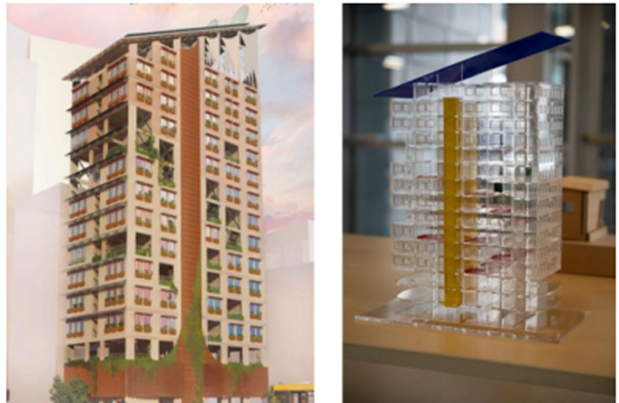
CODE-Vayu Dehumidifier
2024Solar Decathlon India – Product Division
- Humidity control system designed for humid coastal climates like Mumbai and Chennai
- Uses solid desiccant materials to remove moisture from indoor air
- Alternative to conventional refrigerant-based cooling systems
- Significantly reduces energy consumption
- Improves indoor comfort and air quality

Liquid Desiccant Dehumidification System
2024Maker Bhavan Sandbox
- Developed a liquid desiccant-based humidity control system for buildings in humid environments
- Achieved approximately 23% higher energy efficiency compared to traditional dehumidifiers
- Reduced lifecycle cost by around 20%
- Eliminates the use of refrigerants
- Improves sustainable indoor climate control
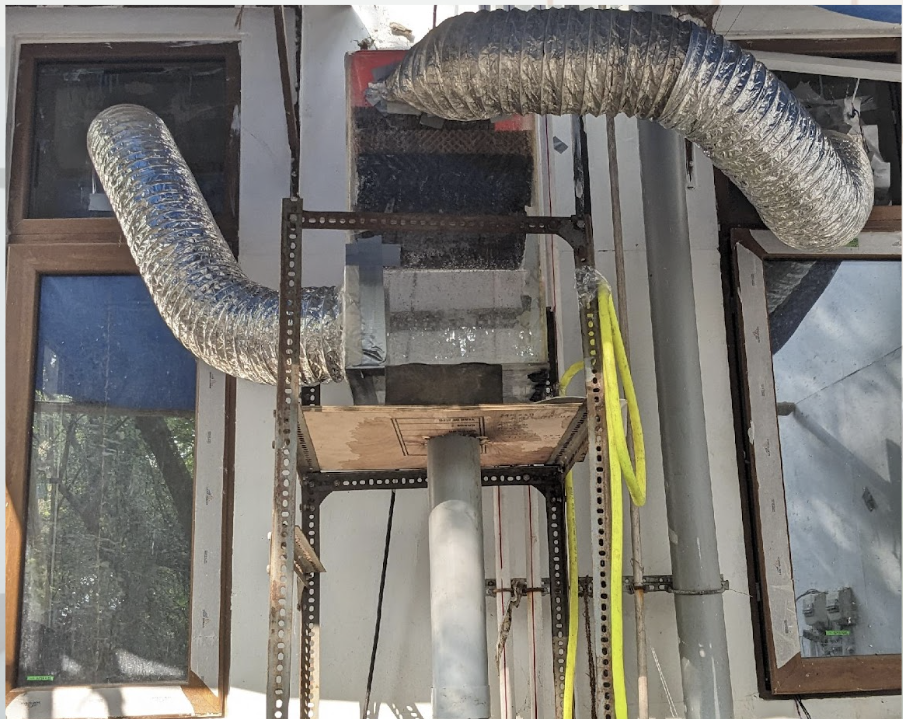
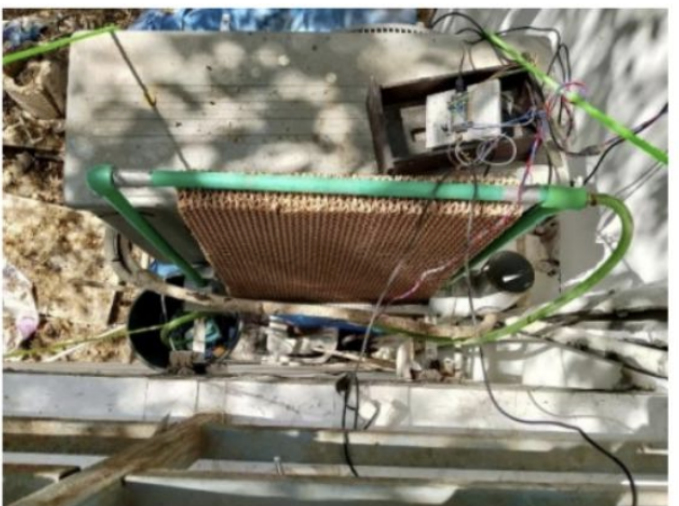
Aqua Breeze Cooling System
2024DTU Green Challenge
Final Round Selection
- Sustainable cooling concept developed for the DTU Green Challenge
- Explored innovative cooling technologies for energy-efficient buildings
- Focused on reducing building energy consumption
- Maintains comfortable indoor thermal conditions
- Emphasizes sustainable and climate-responsive design
Carbon Calculator Tool
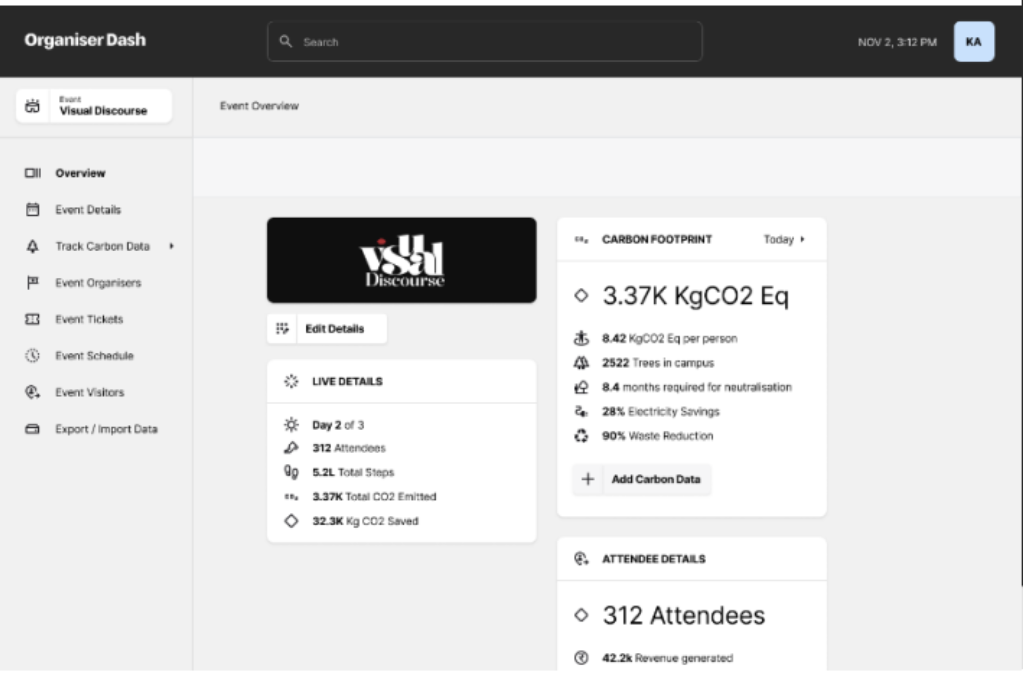
2024IIT Bombay Sustainability Initiative
- Digital tool developed by Team SHUNYA to estimate carbon footprint of events at IIT Bombay
- Excel-based model for structured and accessible analysis
- Evaluates emissions from transportation, food consumption, and HVAC usage
- Includes electricity consumption and construction materials in assessment
- Helps organizers plan and execute more sustainable events
ROOH Housing Retrofit Concept
2024ROOH Challenge
- Developed for the Roof Over Our Heads (ROOH) Challenge
- Proposed retrofit strategies for informal settlements across India
- Utilizes locally available materials for cost-effective implementation
- Incorporates climate-responsive architectural techniques
- Improves safety, comfort, and overall sustainability of housing